The Illegality of a General Pirate Amnesty

The Shiuh Fu No.1 fishing boat, pirated Christmas Day 2010; the whereabouts of the crew of 13 Chinese, 12 Vietnamese and 1 Taiwanese mariners is unknown

It is estimated that 245 hostages and 7 hijacked vessels remain in pirate hands. There exists a kind of stalemate as pirates hold prisoners and ships in Somali ports while negotiations between pirates and shipping insurance companies have slowed or broken down completely. Somalia’s presidential candidates have offered one possible solution to this stalemate. President Sheikh Sharif Sheikh Ahmed has said that, “Those who leave behind what they have done will be forgiven.” For his part, Prime Minister Abdiweli Mohamed Ali has said that “There is no mercy for pirates, not from me, but if someone gives up and says, ‘I repent and want forgiveness’, then we have to do it.” However, a general amnesty for pirates might be illegal and, in any event, might be ineffectual.

Pursuant to UNCLOS, Article 100 “Duty to cooperate in the repression of piracy” provides that “All States shall cooperate to the fullest possible extent in the repression of piracy on the high seas or in any other place outside the jurisdiction of any State.” UNCLOS does not specifically assert there is a duty to prosecute pirates once apprehended. On this point, the International Law Commission, in its commentary to the predecessor treaty (1958 LOS treaty), has said of this provision that “Any State having an opportunity of taking measures against piracy, and neglecting to do so, would be failing in a duty laid upon it by international law.” But it also asserted that states “must be allowed a certain latitude as to the measures it should take to this end in any individual case.” It has been convincingly argued by others (namely Geib and Petrig) that prosecution is discretionary under this provision. Geib and Petrig also note that there may be an obligation to prosecute certain acts of armed robbery at sea which are in violation of the SUA Convention and the Hostages Convention. However, Somalia is not a party to either of these conventions. Therefore, a general amnesty for Somali pirates arguably would not be in violation of the duty under Article 100 of UNCLOS or other treaty obligations.

There also exists under international law, a duty to prosecute egregious human rights violations, such as genocide, grave breaches of the Geneva Conventions, torture, and crimes against humanity. (for a summary see this decision of the ECCC Trial Chamber). International tribunals and treaty bodies have generally held amnesties to be incompatible with this overriding duty to prosecute. In particular, the Special Court for Sierra Leone Appeals Chamber has held that blanket amnesties are impermissible under international law for universal jurisdiction crimes. The duty to prosecute arises not only from the treaty obligations taken on by states but also the egregiousness of the proscribed conduct. Based on this international norm, there may be a duty to prosecute pirates who have engaged in the practice of torturing hostages or for any other act constituting piracy if sufficiently egregious. It has been argued that piracy is not among the most egregious of international offences, but piracy consistently garners impressively long sentences and capital punishment remains a potential penalty for pirates in the United States. Based on this background, a general amnesty of pirates might run afoul of an international duty to prosecute.

One possible avenue for the provision of amnesties is discussed in the Provisional Constitution of Somalia. Article 111 provides for the creation of a Truth and Reconciliation Commission, “established […] to foster national healing, reconciliation and unity”. It further provides the TRC’s mandate shall include “bearing witness to, record and in some cases grant amnesty to the perpetrators of crimes relating to human rights violations”. It is not clear if the drafters intended this provision to encompass possible amnesties for pirates. However, the language of the Article is sufficiently broad to apply to such crimes. Any such amnesties would have to be approved by the TRC composed of traditional elders, members of the Federal Parliament, respected members of civil society, judges and security personnel. Insofar as the TRC could dispense individual amnesties based on the particular circumstances of a case, it might not run afoul of an international duty to prosecute.

This brings us to two very practical matters. Even if such amnesties were granted by the Somali government, would they be respected by other states were they to gain custody of these individuals? Any state may prosecute Somali pirates based on universal jurisdiction. States whose vessels and nationals have been victim of pirate attack would have to exercise a great deal of restraint to not prosecute such individuals due to an amnesty dispensed by the Somali government.

Finally, there is no guarantee that an amnesty for Somali pirates would be effective at definitely quashing the phenomenon in the long term. Nigeria provides a helpful example (see here for background). In 2009, the Nigerian government offered many of the militants/pirates in the Niger Delta an amnesty and stipends if they agreed to stop attacks of oil platforms and other interests. The cost of this amnesty programme is immense, estimated to be $405 million in 2012 alone. But not all ex-militants have found new jobs and there is an increasing danger that the attacks on off-shore oil interests may reignite. For Somalia, the lessons are two-fold: (1) an amnesty must be accompanied by alternative job training and job creation to be effective and (2) such a programme is potentially very expensive and perhaps outside of its means.

Changing Landscape of Gulf of Guinea Piracy as UN Takes a Secondary Role

Despite recent efforts to increase naval patrols, pirate attacks and incidents of armed robbery at sea have continued throughout the Gulf of Guinea and in particular in the Niger Delta region of Nigeria and off the coast of Benin. The region is extremely resource-rich, with oil, cocoa, and various minerals filling tankers and bulk carriers. Since the beginning of 2012, there have been numerous attacks on such vessels in the Gulf of Guinea.  Such attacks tend to be more violent than those in the Indian Ocean. For example, in one recent attack, pirates killed the captain and chief engineer of a cargo ship off the coast of Lagos, Nigeria. A number of recent developments in the dynamics of this criminality and the international community’s efforts at addressing it are worth surveying here.

Piracy and Terrorism in the Gulf of Guinea

It has been suggested that increased militancy in the Niger Delta region is the root cause of the rise of piracy in the Gulf of Guinea. For example, in another recent attack, the captain and chief engineer of a Dutch ship were kidnapped and a crew-member injured.  MEND, the Movement for the Emancipation of the Niger Delta, whose mission is to fight for a fairer distribution of Nigerian oil revenue, has been accused of involvement in the recent pirate attack. But MEND has specifically disclaimed responsibility and refused to mediate between the pirates and hostage negotiators. Nonetheless, MEND continues to operate in the Niger Delta despite a widespread amnesty last year aimed at disarming the movement and claims to be responsible for the recent killing of Nigerian police at a marine checkpoint. Nigerian security forces deny this claim. What can be said is that just as with Somali piracy, there has been a tendency to conflate terrorism and piracy in the Gulf of Guinea without a thorough factual analysis. That said, other types of transmaritime criminality clearly interact with and will have an effect upon piracy in the Gulf of Guinea.

Fuel Subsidies and Smuggling

Nigeria President Goodluck Jonathan’s recent move to decrease the fuel-subsidy in his country, hugely unpopular at home, may have an impact on pirate operations. It has been reported that land-based smugglers of cheap Nigerian-subsidized fuel to neighbouring countries are having trouble turning a profit. One smuggler explained:

The removal of subsidy has choked our business. It is no longer lucrative as the price of fuel in Cameroon is between N160 and N180 per litre; by the time you bribe some officials of the two countries at the border, what you get after selling the fuel is not encouraging at all.

Although the reduced fuel subsidies will have the effect of reducing cross-border fuel smuggling, these criminals will be looking for other sources of revenue and could look to piracy as a new source of income. The situation is further complicated by the presence of a more expansive variety of transmaritime criminality in the region, including drug trafficking, illicit fishing, illicit dumping of toxic waste, and illegal or clandestine immigration or migration. For example, The United Nations estimates that $1 billion worth of cocaine, destined for Europe from Latin America, passed through West Africa in 2008. Much of this criminality is perpetrated in and through maritime jurisdictions and will often be associated with pirates. A comprehensive solution must take all transmaritime criminality into account.

General Features of Piracy off the Gulf Guinea

In the face of this volatile situation, the UN undertook an assessment mission and issued two important documents regarding the Gulf of Guinea situation. A recent report of the Secretary General sheds some light of the general features of West African piracy and how the international community plans to address it.
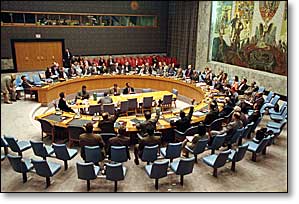
The UN Secretary General reported on 19 January 2012 (only recently released) that piracy in the Gulf of Guinea since the late 1990s has focused on high-value assets, particularly oil shipments.  Shell executive vice president Ian Craig has noted that as much as 150,000 barrels of crude a day is being stolen by oil thieves in the Niger Delta. But since Nigeria has responded robustly to the growth of piracy, attacks have migrated to the Benin port of Cotounou (19 nautical miles to the west). Recent attacks are generally targeted at oil and chemical ships at a distance of over 40 nautical miles from shore (i.e. on the high seas). Pirates generally steal cargo and sell it on the black market – as opposed to holding the goods or crewmen for ransom (as in Somalia).

These attacks have had a significant impact on the economies of West Africa. There are 70 percent fewer ships entering the Cotounou port. This port is the entry point for goods to in-land countries such as Niger, Mali, and Burkina Faso who will also suffer from increased costs due to scarcity of goods and increased insurance rates on all maritime shipments. In contrast, attacks off the Central African coast mainly target oil drilling platforms and ships in order to steal money and goods from crew. The combined effect of these types of piracy is an estimated annual loss of $2 billion to the West African subregional economy.

However, West African countries have had somewhat more success than their East African counterparts in mobilizing regional resources and coordinating efforts to prevent and punish pirates. Of particular note is the cooperation between Nigeria and Benin in conducting joint patrols (albeit with some international contributions). Their relative success may be partly attributable to a more limited geographic area of recent attacks (as compared with Somali pirates who have perpetrated attacks over 1000 nautical miles from the coast of Somalia). More importantly this is attributable to the fact that there are robust state institutions in the areas targeted by pirates. That said, more must be done to increase state capacity, and, in particular naval capacity. Furthermore, pirates are bound to find where governance structures are the weakest and to take advantage of those failures (e.g. by launching attacks from states lacking effective naval or coast guard patrols).

The UN’s Secondary Role and Upcoming Regional Conference

As a result of this organic cooperation, the UN and the international community have taken a secondary role in the fight against piracy in the Gulf of Guinea. The UN, both in the UNSG’s report and in its Security Council Resolution, lauds the current littoral state cooperation and encourages the Gulf of Guinea states to strengthen this cooperation, while promising to provide international financial assistance where required. It is clear from the statements of a number of representatives after the 27 February 2012 briefing on the UNSG report that a number of states would prefer to leave West and Central African states to take the lead in enhancing regional security against piracy and armed robbery in the Gulf of Guinea. The U.S., for one, has responded to this call by committing about $35 million for the training of naval personnel in Nigeria and other countries within the Gulf of Guinea on how to combat piracy and other maritime crimes. It is not suggested that the international community should create a joint naval force, such as EUNAVFOR, to combat pirates. This may encourage a reliance on PMSCs in the Gulf of Guinea where shippers lack confidence in littoral state navies.

Following on the recent report, the UNSC adopted a resolution 2039 on 29 February 2012 encouraging littoral states of the Gulf of Guinea to adopt the recommendations in the report. In particular, it encourages Benin and Nigeria to continue joint naval patrols and to work independently to secure their territorial waters. In addition, it suggests that the international community provide all possible assistance. Finally, it advocates a regional conference including Gulf of Guinea states, in collaboration with the African Union, in order to elaborate a regional strategy to fight piracy. As stated in UNSC 2018, the purpose of the conference would be the following:

to consider a comprehensive response in the region and [for] the States of the Economic Community of West African States (ECOWAS), the Economic Community of Central African States (ECCAS) and the Gulf of Guinea Commission (GGC) to develop a comprehensive strategy, including through: (a) the development of domestic laws and regulations, where these are not in place, criminalizing piracy and armed robbery at sea; (b) the development of a regional framework to counter piracy and armed robbery at sea, including information-sharing and operational coordination mechanisms in the region; and (c) the development and strengthening of domestic laws and regulations, as appropriate, to implement relevant international agreements addressing the safety and security of navigation, in accordance with international law.

The planned conference (a “joint regional summit of Heads of State of the three regional organizations”) is to take place as soon as possible in 2012, but has not yet been assigned a specific date or location. As this conference approaches, regional organisations would do well to consider that further developing regional coordination will be key to formulating a comprehensive counter-piracy strategy in face of the resource fragmentation that currently exists in this sector.

International Maritime Bureau 2011 Global Piracy Report: Successful Piracy Attacks Decreasing

The International Maritime Bureau (IMB), the anti-maritime crimes arm of the International Chamber of Commerce, has released its 2011 Piracy Report. The Report is compiled on the basis of the incidents of piracy and armed robbery worldwide reported to the IMB.

Not surprisingly, pirate attacks against vessels in East and West Africa accounted for the majority of the world attacks, with Somali pirates accounting for more than 50% of these. Out of the 439 attacks reported in 2011, 275 attacks took place off the coast of Somalia and in the Gulf of Guinea. There are fears that pirate attacks in West Africa in 2011 were underreported.

The total number of pirate attacks fell only slightly from 445 in 2010 to 439 in 2011. Overall, in 2011 there were 176 vessels boarded, of which 45 were hijacked, and 113 were fired upon, in addition to 105 attempted attacks. While the number of Somali incidents increased from 219 in 2010 to 237 in 2011, the number of successful hijackings decreased from 49 to 28. The last quarter of 2011 shows an even more significant drop. However, these numbers do not take into account attacks on dhows and smaller vessels which are often targeted by pirates and may also unwittingly end up serving as motherships.

These figures echo a recent positive trend already signaled by the International Maritime Organization. According to the IMB, this is mainly attributable to the presence of international naval forces in the Gulf of Aden, the enforcement of the IMB best practices (such as the use of citadels, sprinkler systems, and other active defences) and the deterrent effect of the employment of privately armed security personnel on board.

Will these positive developments continue in 2012?

Following Security Council Debate, UN Deploys Assessment Mission to West Africa

As anticipated in previous posts, the UN recently deployed an assessment mission in West Africa. The mission, composed of representatives of several UN Offices and Agencies, has been tasked with examining the scope of the threat of piracy in the region as well as local capacities in ensuring maritime safety and security in the Gulf of Guinea. In addition, the Mission will make recommendations on anti-piracy measures, also looking at the broader context of organized crimes and drug trafficking. Upon its completion, the Mission will submit a report to the UN Secretary General.

The Mission’s deployment was preceded by a much anticipated debate at the UN Security Council. Spearheaded by Nigeria’s presidency, the Council discussed the need for action against piracy and emerging transmaritime criminality in West Africa. Several representatives made statements during the debate, highlighting the increasing nature of the problem and its impact on international navigation as well as the economy and the overall security in the region. The Council unanimously stressed the need to develop lessons learned from the fight against piracy in East Africa and the Gulf of Aden and concurred on the need for a coordinated holistic approach to tackle the issue and its socio-economic roots before it escalates further.

Notably, West African states currently sitting in the Council called for strong international support and asked for a UN resolution to provide a region-wide legal framework for action. Remarking on the specific and novel features of piracy in the area, Gabon went as far as proposing the drafting and adoption of an international instrument against piracy.

Other states, however, ranked the situation in the Gulf of Guinea as of lesser severity to the situation in the Gulf of Aden and other coastal areas of East Africa. The United States, France and England, among others, stressed how the leadership in the fight against piracy should remain in the hands of the states directly concerned by this phenomenon, while the international community should focus on continuing or increasing technical assistance and capacity building already provided, particularly in the fields of information sharing and personnel training. France recently confirmed its support towards anti-piracy measures in the region with a donation of 1 million dollars to Ghana, Togo and Benin as part of a three years founding project.

The debate was followed by the Security Council unanimous approval of Resolution 2018 (2011) on the issue of piracy and organized crime in West Africa, developing on the main points of the discussion before the Council. Due to its significance with regard to piracy in West Africa, the resolution, interestingly falling under the rubric of “Peace and Security in Africa” will be further discussed in a forthcoming post. As a preliminary remark, it is worth noting that Resolution 2018 confirms Articles 100, 101 and 105 of the UN Convention on the Law of the Sea as setting out the applicable legal framework to counter piracy and armed robbery at sea and, further, notes that applicable international legal instruments already provide for the creation of criminal offences and prosecution of persons responsible for seizing or exercising control over a ship or fixed platform by force. The Security Council thus appears to resist to any call for updated or novel legislation to combat modern piracy although the current legal framework is arguable not suited to encompassing all forms of transmaritime criminality, including piracy, armed robbery at sea, and drug and arms smuggling at sea.

The Oil Spill: Nigeria’s Counter-Piracy Measures and their Effect on Neighboring Countries

The menace of piracy in present-day Nigeria derives from its coastal reserves, rich of oil and natural gas, particularly in the Niger Delta region. Environmental pollution and lack of local access to profits generated by the exploitation of natural resources rapidly added to the Niger Delta’s long struggle for greater autonomy. The Movement for the Emancipation of the Niger Delta became an umbrella for locally-based militant groups taking up arms for social, economic and political independence.

From 2006, rebels increasingly attacked vessels and oil platforms in and around the Niger Delta, kidnapping foreign staff as well as stealing oil and damaging properties. The attacks quickly became a source of financial revenues. Over time, it became almost impossible to establish whether a piracy incident was politically or criminally motivated as the perpetrators often operated interchangeably.

Faced with the prospect of significant financial losses and local instability, the Nigerian Federal Government swiftly stepped up its response against pirate attacks, launching “Operation Restore Hope” and creating a military Joint Task Force to take strong, at times ruthless, action against piracy and maritime security threats. The government has also attempted to address the root causes behind piracy attacks, namely corruption and a lack of local economic development. For instance, the Economic and Financial Crimes Commission  was tasked to address the motives behind recourse to piracy in the Niger Delta crisis, investigating and auditing state governors’ assets throughout Nigeria to combat government corruption.

Nigeria is today the largest African oil producer, with the current crisis in Libya requiring Nigeria to increase its output and revenues. Against this background, it is thus not surprising that this year marked increase in the number of piracy and armed robberies at sea attacks, witnessed an increased leadership and intervention by Nigerian naval authority with the support of important oil consumers, such as the US and France.

While not immediately characterized by political motives, the attacks are attributable to independent criminal gangs composed mainly of, and certainly led by, Nigerians. The amnesty granted in 2009 to the Niger Delta benefited the leadership rather than the middle or lower ranks insurgents and ensured a ready pool of potential recruits for criminal enterprises. Former Rebels have expressed discontent with the disarmament process and have threatened to take up arms again.

Nigeria is now largely in control of the security situation within its own maritime borders, having intensified its coastal navy patrols and counter intelligence. The main outcome of this security clampdown is, however, the worsening of piracy attacks in neighboring countries. This is particularly serious in Benin, which depends on its port in Cotonou for some 40 per cent of state revenues. The country has so far seen at least 20 piracy-related incidents compared to none last year, prompting a call for the UN to consider sending an international force to help police the Gulf of Guinea. During his address to the recent UN General Assembly, Benin’s Foreign Minister described his country’s own counter-piracy resources as “laughable.”

Nigeria and Benin therefore recently started joint naval patrols in an effort to curb soaring piracy attacks. The naval patrols, tagged “Operation Prosperity”, would last six months, involving Nigerian Navy ships and vessels from Benin, as well as resources from the Nigerian Maritime Administration and Safety Agency.

Concerns, however, are rising that the pirate gangs could once again adapt and move their criminal activities further west. Togo and Ghana are already attempting to boost maritime security to address the threat. Are these countries next in seeing a spike in piracy and maritime robbery activities?