March 12, 2012
by Matteo Crippa
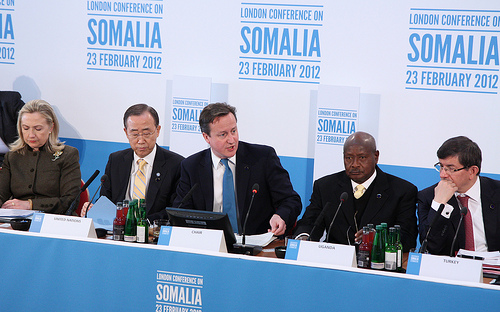
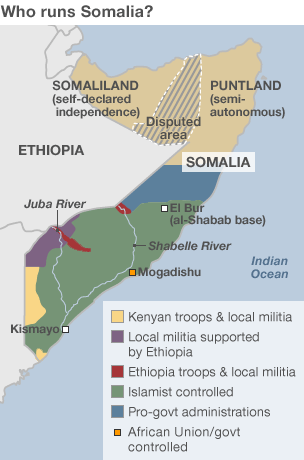
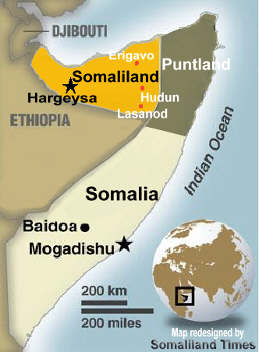
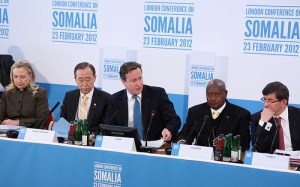 The much awaited London Conference on Somalia was finally held at Lancaster House, London on 23 February 2012. Fifty-five delegations attended the Conference, including the UK Prime Minister, David Cameron, the UN Secretary General, Ban-ki Moon and the US Secretary of State, Hillary Clinton as well as the leaders of various countries in the Gulf of Aden and East Africa region, such as Djibouti, Seychelles, Mauritius, Kenya and Tanzania. Leaders of Somalia’s Transitional Federal Government as well as of the breakaway regions of Puntland, Galmudug and Aluh Sunnah wal Jamaah (ASWJ) also participated. As anticipated, the self declared autonomous region of Somaliland attended the Conference, marking a major policy shift for the former British protectorate which deliberately stayed away from several previous peace conferences on Somalia. While the participation of all regions of Somalia was certainly a legitimating factor for the Conference, it is worth noting that the direct interests of Somalia were represented by 5 different delegations.
The Conference was meant to be a key moment in Somalia’s troubled history and called for a change in the international approach from the fruitless policies of the past 20 years. The Conference was preceded by much debate and a degree of controversy, particularly on the future of Somalia’s transitional federal institutions, whose mandate will end in August 2012. The Somali diaspora showed hope for more inclusiveness in building the political and economic landscape of the country. On the eve of the conference, in a bid to increase leverage of the decisions to be taken in London, the UN Security Council boosted the current African Union peacekeeping mission, raising its troop contingent up to 17000 soldiers.
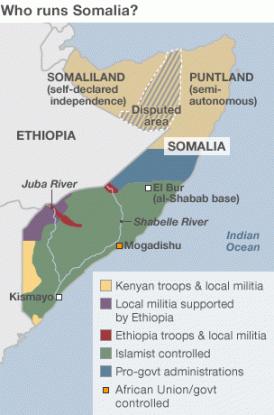 The Conference registered a series of important political commitments from the stakeholders of the Somali cause, relevant to political, humanitarian, security and governance issues. Notably, leaders attending the Conference recognized the importance of empowering the Somali population and creating accountability for its political leadership, with the international community acting as a facilitator of the process. We will soon assess whether these commitments could turn into effective and practical action and what will be their contribution in shaping the future of this country. Not surprisingly, the fight against piracy occupied a prominent place in the discussion. Perhaps the most important aspect of the Conference in this regard was the acknowledgment that piracy in Somalia requires a comprehensive approach on land as well as at sea to tackle the root causes of piracy. This is a very important step. A military-focused approach of targeting pirates at sea coupled with limited judicial accountability measures could only provide a short term deterrent if not coupled with social development, economic growth and good governance. The underlying causes of piracy, but also its direct effects, are inextricably intertwined with all other problems affecting Somalia.
“We agreed that piracy cannot be solved by military means alone, and reiterated the importance of supporting communities to tackle the underlying causes of piracy, and improving the effective use of Somali coastal waters through regional maritime capacity-building measures.”
Some of the most encouraging developments of the Conference pertain to the immediate fight against piracy. These include the signing of important agreements enhancing the current plans by the international community to create a “cycle of justice”, or, as we called it, a “Globalized System of Criminal Justice”, where pirates are caught at sea, transferred to regional states for prosecution and, finally, imprisoned in Somalia. Hosting the Conference created momentum upon the UK’s own contribution to tackle piracy. The UK and Tanzania signed a memorandum of understanding allowing the UK Royal Navy to transfer suspected pirates apprehended at sea to Tanzania for prosecution. The UK also signed a statement of intent with Mauritius for the same purposes. These agreements are particularly relevant in light of Kenya’s current suspension of the transfer of suspected pirates for prosecution before its national courts. Plans for the imprisonment of pirates also registered some significant development. Puntland committed to the transfer of convicted pirates in the region to its prisons from August 2012. In an effort to enhance its anti-piracy strategy, Somaliland will also focus on improving its capacity to jail suspected and convicted offenders. Somaliland signed a ground breaking agreement with Seychelles for the transfer of convicted pirates to its prisons. In addition, Somaliland has recently passed a law declaring piracy illegal and making it an offense punishable by a maximum of twenty-five years. Somaliland previously limited prosecutions to charging alleged pirates with armed robbery.
“There will be no impunity for piracy. We called for greater development of judicial capacity to prosecute and detain those behind piracy both in Somalia and in the wider region and recognised the need to strengthen capacity in regional states. We welcomed new arrangements, which enable some states and naval operations to transfer suspected pirates captured at sea for trial by partners across the Indian Ocean region, and if convicted, to transfer them to prisons in Puntland and Somaliland which meet international standards. We noted the intention to consider further the possibility of creating courts in Somalia specialised in dealing with piracy.”
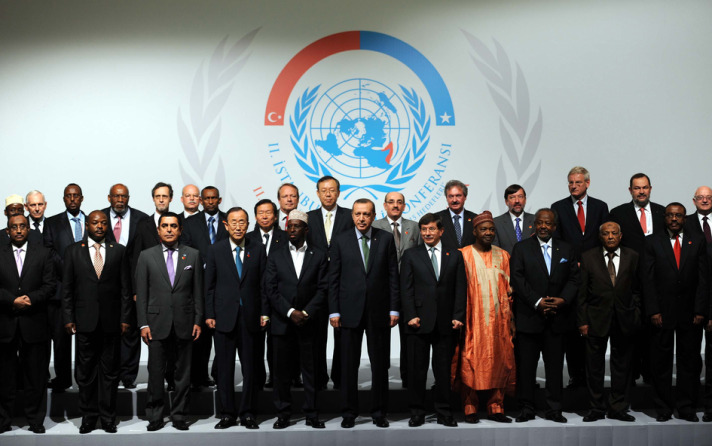
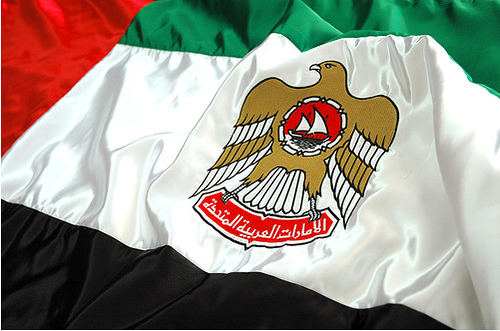
The first chance to evaluate the outcome of the London Conference will be, yet again, at another conference. Turkey, an increasingly growing ally of the Somali cause, will organize in cooperation with the UN the Second International Conference on Somalia. The conference will be held on 1 June 2012 in Istanbul. In addition, the UAE, the current chair of the Contact Group on Piracy off the Coast of Somalia. will host a second International Maritime Counter-Piracy Conference on 27-28 June 2012 in Dubai, further to an initial event hosted in April 2011. But the real work will be on the ground as attempts are made to execute the promises made at the conference, including exercising the rights and obligations set out in the newly minted transfer agreements.


 Roger L. Phillips
 Hilarie Henry
 Jon Bellish
 Matteo Crippa
 Milena Sterio
 Shannon Maree Torrens
 sonia messaoudi
 Michael Y. Liu
 Communis Hostis Omnium